Tightrope
by Electric Light Orchestra
⏱ 00:10:06
Album: Flashback

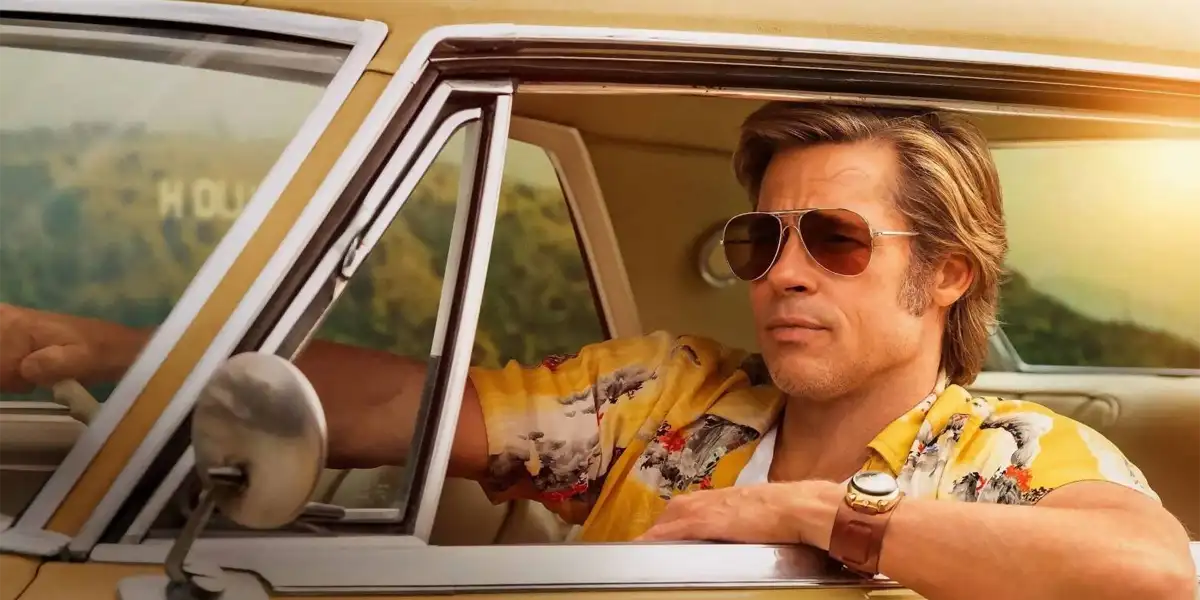
Set in late-1970s Los Angeles roughly eight years after the fateful summer of 1969, David Fincher's Netflix crime drama The Further Mis-Adventures of Cliff Booth follows former stuntman Cliff Booth (Brad Pitt) as he establishes himself as a discreet Hollywood studio fixer. Operating in the shadows between film sets, smoky hotel lounges, and private estates, Booth navigates an escalating underworld of industry scandals, extortion schemes, and dangerous secrets alongside an ensemble cast featuring Elizabeth Debicki, Scott Caan, Yahya Abdul-Mateen II, Carla Gugino, and Timothy Olyphant.
Revisiting the sun-drenched and increasingly volatile world first conceived in Once Upon a Time in Hollywood, director David Fincher and screenwriter Quentin Tarantino transport audiences to 1977 Los Angeles for The Further Mis-Adventures of Cliff Booth. Starring Brad Pitt in his Oscar-winning role as the aging war veteran and former stunt double turned covert studio fixer, the film immerses viewers in an authentic late-seventies aesthetic. Across private studio backlots, gritty Laurel Canyon hideaways, and flashing Sunset Strip clubs, the soundtrack functions as a vintage California radio broadcast, mirroring Cliff's transition from stunt work to high-stakes Hollywood problem-solving with a distinct sonic collision of raw hard rock, smooth yacht rock, and rising disco fever.
The curated needle drops capture the shifting musical tides of 1977, setting Booth's covert assignments to era-defining vinyl cuts. Classic rock energy fuels Cliff's cruising sequences and tense confrontations, punctuated by Electric Light Orchestra's driving album opener "Tightrope", AC/DC's swaggering "Dirty Deeds Done Dirt Cheap", and Led Zeppelin's blues-rock cornerstone "Black Dog". In contrast, the glamour and decadence of late-seventies nightlife emerge through Donna Summer's groundbreaking Giorgio Moroder-produced electronic milestone "I Feel Love" and "Working the Midnight Shift", alongside infectious dance hits including The Emotions' "Best of My Love", Baccara's "Yes Sir, I Can Boogie", and Andrea True Connection's "More, More, More". Breezy coastal counterpoints like Al Stewart's sophisticated "Year of the Cat", Boz Scaggs' silky "Lowdown", and Sweet's raucous glam-rock anthem "Ballroom Blitz" round out a versatile period selection that effortlessly grounds Booth's dangerous assignments.
Contrasting the warm analog textures of the film's commercial needle drops, Academy Award-winning composing duo Trent Reznor and Atticus Ross (The Social Network, The Girl with the Dragon Tattoo, Mank, Challengers) deliver the film's original electronic score. Marking their seventh collaboration with director David Fincher, Reznor and Ross introduce taut analog synthesizers, tape-distorted percussion, and minimalist electronic drones to underscore Booth's inner psychology and the lethal undercurrents of the Los Angeles underworld. By juxtaposing bright seventies radio hits against sharp, modern ambient tension, the score reinforces the precarious nature of Cliff's covert maneuvers across an evolving Hollywood era.